
Customized appearance, not a one-size-fits-all look
Veneers are planned around your facial features, tooth proportions, and gum display so the result fits you, not a template.
Serving San Antonio, Texas & surrounding areas

Porcelain veneer procedure in San Antonio
If you are considering veneers, the details matter: what gets evaluated, how your smile is designed, how teeth are prepared, and what happens on placement day. This walkthrough explains the typical steps Cosmetic Dentistry of San Antonio follows so you can feel confident before you start.
Understand every visit
The porcelain veneers process San Antonio patients ask about usually has a simple goal: improve the appearance of the front teeth with thin, custom-made porcelain shells that are bonded to the tooth surface. What varies is how the plan is built around your bite, tooth shape, enamel, and expectations.
At Cosmetic Dentistry of San Antonio, Dr. Edward Camacho and the team focus on straightforward communication and a comfortable experience, so you know what is happening at each visit and why. Our office is located at 16530 Huebner Rd #301, San Antonio, TX, and welcomes patients from Alamo Heights, Terrell Hills, Olmos Park, Shavano Park, and Stone Oak.
If you are still deciding whether veneers are the right direction, start with the broader overview of porcelain veneers in San Antonio. This page stays focused on the dental veneers procedure San Antonio patients want to understand step by step: consultation, smile design, preparation, temporary veneers when needed, and final bonding.
Purposeful planning
Veneers are planned around your facial features, tooth proportions, and gum display so the result fits you, not a template.
Porcelain veneers are fabricated to match shape and shade goals discussed during your planning visit, then bonded to the teeth.
Your bite and functional habits, including clenching or grinding, affect veneer design, thickness, and whether a protective nightguard is recommended.
Some cases require minimal tooth reduction, while others need more shaping to create space for porcelain and a natural contour.
The veneer procedure is not a single rushed visit. You should expect planning, fabrication time, and a careful placement appointment.
Start with the full picture
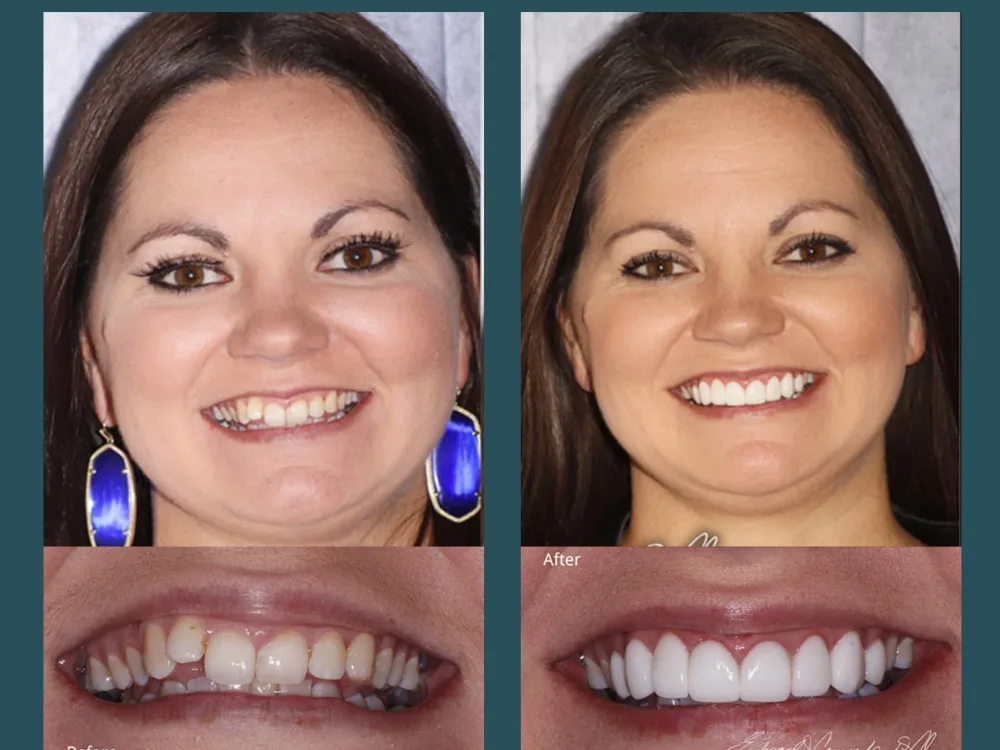
The first step in a porcelain veneers procedure San Antonio patients can trust is a consultation that is specific to your teeth, not a generic pitch. Expect a conversation about what you want to change—shape, spacing, chips, discoloration, and symmetry—and what you want to keep, such as tooth character, length, and brightness.
Clinically, the visit focuses on the factors that influence whether veneers are a good fit: enamel quality, existing fillings or crowns, gum health, and how your teeth come together when you bite. If you have a history of clenching or grinding, that matters because it affects veneer design and longevity. Photos and other records may be taken to help plan the case and communicate with the dental laboratory.
San Antonio patients often come in with a specific event date or work schedule in mind, especially in busier areas like Stone Oak and along the I-10 corridor. Bring those constraints up early. Veneers involve at least two main appointments, plus time for the lab to fabricate the porcelain, and your schedule can guide how we sequence visits and temporaries.
From smile design to follow-up
After your exam and records, the plan is built around the teeth being treated and the look you want. Shade is selected with guidance so the veneers match your goals and still look believable in everyday lighting.
Many porcelain veneers require shaping the front surface of the tooth to create room for the porcelain and a clean margin. Local anesthetic is typically used. The amount of reduction depends on your starting tooth position, desired change, and the veneer design.
Once teeth are prepared, the next step is capturing the tooth shape accurately so the lab can craft veneers that fit precisely. The porcelain is fabricated outside the mouth, which is why veneers are not a same-day treatment in most cases.
Temporary veneers may be placed to protect prepared teeth and let you function normally while you wait. They also help you preview tooth length and shape. If you grind your teeth or have a very heavy bite, temporaries need extra care.
When the final veneers arrive, they are tried in to verify fit, shape, and shade. Small changes can be discussed before bonding so you are not guessing what the final will look like.
Each veneer is bonded to the tooth with dental adhesive after careful cleaning and surface preparation. After placement, your bite is checked and adjusted as needed, and home-care instructions are reviewed.
A follow-up may be recommended to confirm comfort and bite stability. Long-term success depends on good daily hygiene, routine dental visits, and protecting veneers if you clench or grind.
Plan the investment
Cosmetic Dentistry of San Antonio generally quotes $2,200 per porcelain veneer. A small cosmetic update on one or two teeth is priced differently from a full smile case involving 8 to 10 veneers.
Your final cost depends on the number of teeth, the amount of tooth preparation, whether old dental work must be replaced, and whether temporaries or additional bite protection are recommended. Cosmetic Dentistry of San Antonio confirms exact pricing after your in-person consultation and treatment plan.
Patient perspectives
“Exceeded my expectations!! I've had other consultations prior to meeting with Dr. Camacho for veneers and I have to say, hands down the best experience! ... Dr. Camacho was patient with me and knew exactly the look I was going for.”
“Dr. Camacho placed my temporary veneers on while the permanents were being made... I called Dr. Camacho and thank god he was willing to take me in to fix the tooth before my event... Truly, THIS is the kind of service you expect when spending money on a treatment.”
“He has done crowns and porcelain veneers on me and I absolutely love how my smile looks. I trust his work and his advice.”
Inside the treatment process
 Request a Consultation
Clear answers before treatment
Most veneer cases take at least two main appointments: one for planning and tooth preparation plus records, and another for final placement after the lab completes the porcelain. Some patients have an additional preview or follow-up visit depending on the case complexity and scheduling needs.
Not always, but many porcelain veneers require some tooth shaping to create space for porcelain and avoid a bulky look. The amount depends on your starting tooth position, the shade change you want, and the final contours needed for a natural result.
Many patients do receive temporary veneers after preparation, especially when the front teeth are being treated. Temporaries protect the teeth and let you function normally while the lab fabricates the final porcelain.
The procedure is typically done with local anesthetic, so you should not feel pain during tooth preparation. Some patients feel temporary sensitivity afterward, particularly to cold, and it often settles as you transition to the final veneers.
Grinding or clenching is important to disclose because it affects veneer design and the risk of chipping or cracking. In many cases, a protective nightguard is recommended after veneers to reduce stress on the porcelain.
Natural-looking veneers come from planning tooth length and width, selecting a realistic shade, and shaping surface texture and edges so light reflects normally. The try-in step is your checkpoint to confirm the look before final bonding.
Yes. Many people start with the teeth that show most when they smile, but the best number depends on your smile width and symmetry goals. During your consultation at Cosmetic Dentistry of San Antonio on Huebner Rd, you will review options that balance appearance with a practical, maintainable plan.
Meet with Dr. Edward Camacho at Cosmetic Dentistry of San Antonio for an evaluation and a treatment plan that explains timing, preparation, temporaries, and placement before you commit.